SKERROBREE BOARD GAME

Standard

NOTE: The board game Skerrobree is copyrighted and patented by ©2019 Olivier Dunrea.

In 1986 my book, Skara Brae: The Story of a Prehistoric Village, was published.   I did my field research in Northern Scotland, the Orkney and Shetland Islands, and the Outer Hebrides between 1978-98.   The archaeology, prehistory, and folklore of ancient Scotland fascinates me!

I love playing board games and have a large collection of them.  I also collect vintage Monopoly games from the 1930s, 40s, and 50s.

CLUE and RISK have always been two board game favorites.

As a researcher and illustrator I study and analyze a good number of plans for ancient sites and structures as well as maps.   The layout of Skara Brae has always fascinated me.

Last year I decided to see if I could design a board game using the Plan of Skara Brae for the game board.   In my research I had read that the archaic name for Skara Brae was Skerrobree by the local inhabitants.

The board game and how to play the game is a variation on CLUE—with a few more twists and turns.

RULES OF THE GAME

The year is 1947.   The Second World War is over and a team of archaeologists and graduate students are sent to the far-flung remote archipelago of the Orkney Islands in the North Sea to examine the ancient archaeological site called Skerrabree to see if any damage was sustained during the war.  The director of the expedition is Sir Angus Ian McPherson from the University of Edinburgh.

One night, after a week at the site, a ferocious and violent storm hits the islands.   Thunder rumbles throughout the night and streaks of lightning keep everyone huddled in their tents.  The next morning the body of Dr. Angus Ian McPherson is discovered.  WHO committed the murder?  WHAT weapon was used to commit the murder?  WHERE did the murder take place?  These are the three questions that must be answered.  AND the reason WHY he was murdered is randomly chosen to be secretly included in the Confidential dossier.

Two archaeologists, Dr. Bertram Standish and Dr. Euphemia McCrimmon, lead the team’s examination of the ancient Neolithic site.  Each archaeologist has a graduate student working under them: Maddy and Gabe.  Miss Bridey Finn is the photographer for the team. Two local laborers do the heavy work of digging and carting away dirt and stones:  Haggis McBride and Seamus Sinclair.  The final member of the team is the wife of Haggis McBride that cooks and makes tea during the expedition, Molly McBride.

Any one of the following could have been used to commit the murder:

Archaeologist’s hammer

Digging spade

Prehistoric pot

Bronze dagger

Small knife

Knitting needles

Axe


Here are some photos of the board game in play:

I’m Back!

Standard

It’s been quite some time since I’ve posted anything on this blog.   A great deal has happened since my last post ages ago.  Most significantly…I had a massive heart attack in Iceland on our way to Scotland!

We were changing planes at the airport in Reykjavik when the massive heart attack happened.  We had only been on the ground for ten minutes changing planes on our way to Scotland.   The heart attack came out of the blue with no prior warning signs or indications that I might be at risk of having one.  Luckily, a pilot and flight crew from another Icelandair flight saw me collapse and immediately called their 911 before my head even hit the floor.

Two doctors happened to be passing by and immediately began performing CPR on me.  Most likely they saved my life.   I was brought back from the dead five times!   I was taken to the hospital in Reykjavik where I had a quadruple bypass.  I got THE BEST medical care you can imagine!   I was in ICU for one week; CCU for one week; and then spent the third week resting up in our AirBnB until my lungs were completely clear of any traces of pneumonia and we could fly back to the U.S.

I’m happy to report that six months later I’m doing just fine and am pretty much back to normal.  I am getting back into my work routine in the studio.  AND…John and I have started a new Etsy Shop where we’re selling my original artwork, sketches, drawings, colour studies, etc.  In time we will also be selling notecards of my artwork as well as John’s photographs.

Etsy Shop large

I’ll try my best to keep this blog more up-to-date.

I’m having to relearn all the ins and outs of the website, the blog, Instagram, FaceBook, and Twitter!

Slowly making progress in the studio

Standard

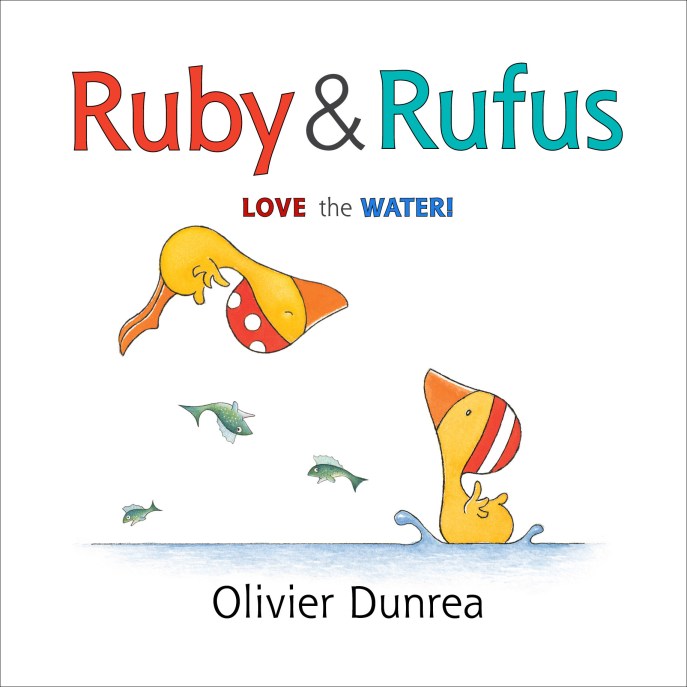
Ruby & Rufus is finished.  I’m very pleased with the illustrations.  My book designer did a fantastic job with the front cover.   She created the front cover from five (5) separate pieces of art and a layout that I had done.  She made some brilliant decisions—the biggest one was to reverse the layout I had submitted.  Perfect solution!

Front Cover

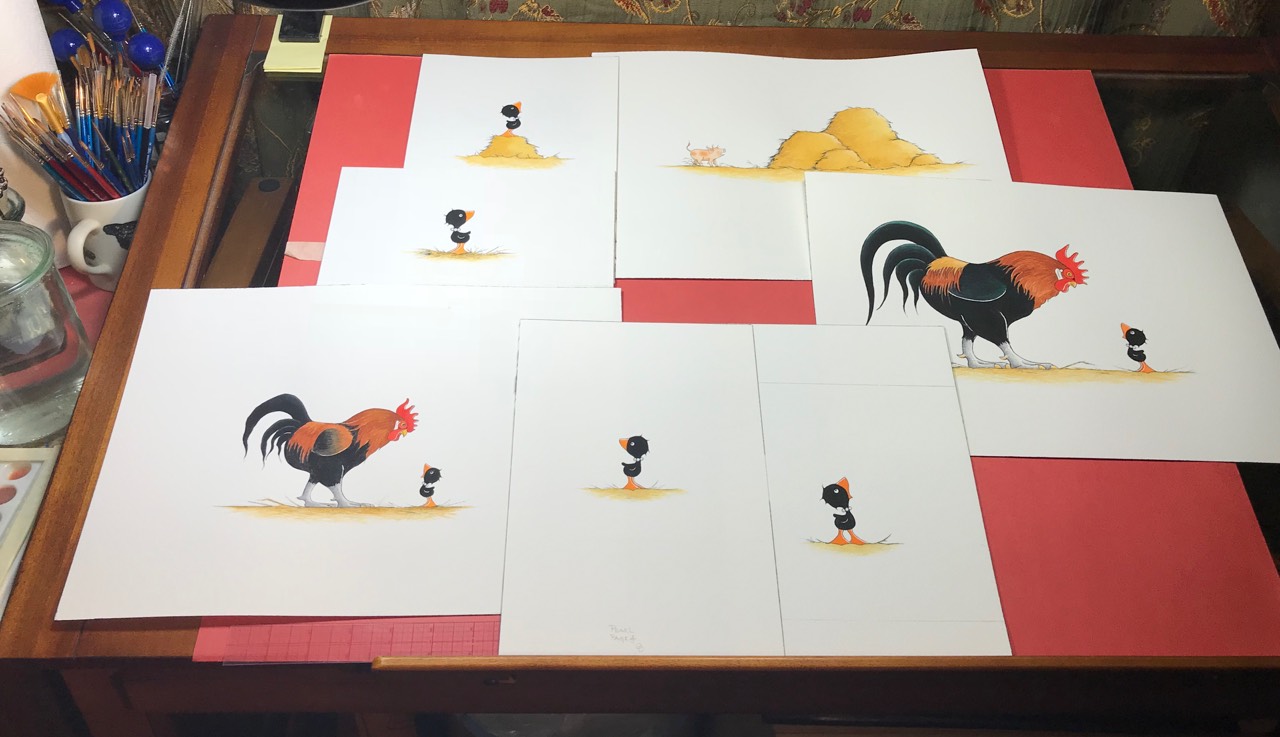
I am now halfway finished with the illustrations for Pearl!  My goal is to have Pearl wrapped up and delivered to Boston by the end of the month.   Then, while the momentum is still going, I’ll go right onto to finish Pearl’s Lost Pearls.  That leaves only Gus & The Hatchlings to finish and I will be caught up with outstanding book contracts!

My reward to myself after I finish these last three picture books in the Gossie & Friends series is to finish writing the first draft of THE DARK SECRET OF WYTHE’S END.  A novel that I’ve been working on for a couple  years now (but put on hold so that I could concentrate on the finishing the picture books that I owed).

I’ve written eighteen chapters so far and anticipate the book will have around 30-35 chapters.  I’m obsessed with the two families in the story.

Wythe's End Front 1

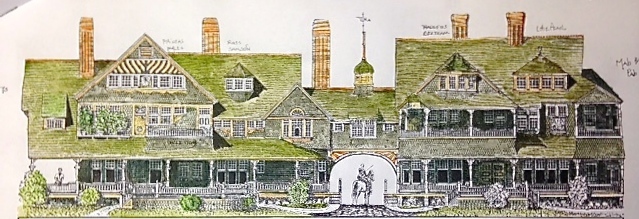
Wythe’s End (the rambling family estate) is a character in the story as much as the family members.

This will be a productive  year!

BACK AT THE DRAWING BOARD

Standard

It’s been quite while since I posted anything.

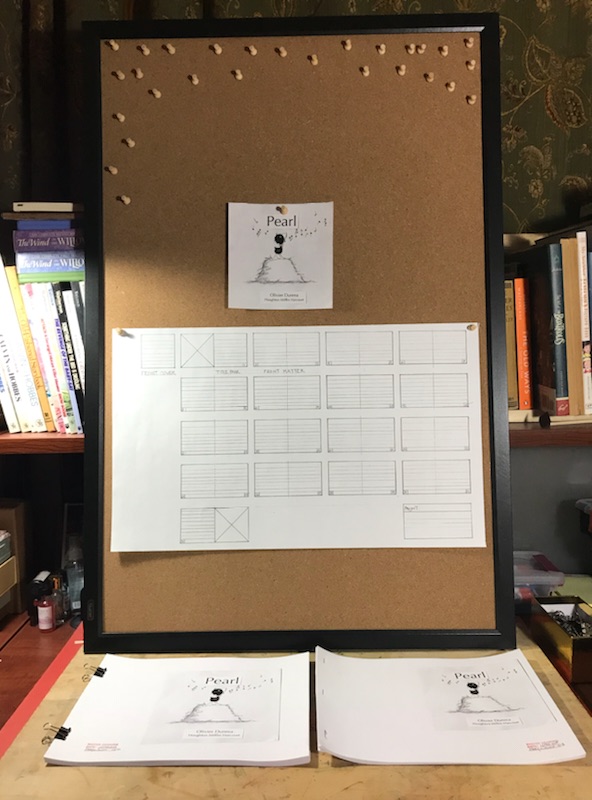
The good news is that I am finally settled back in at the drawing board in the studio. RUBY & RUFUS is finished and is now at my publisher’s offices in Boston. PEARL will be finished in two weeks. Then I can catch my breath before plunging into finishing PEARL’S LOST PEARLS and GUS & THE HATCHLINGS.

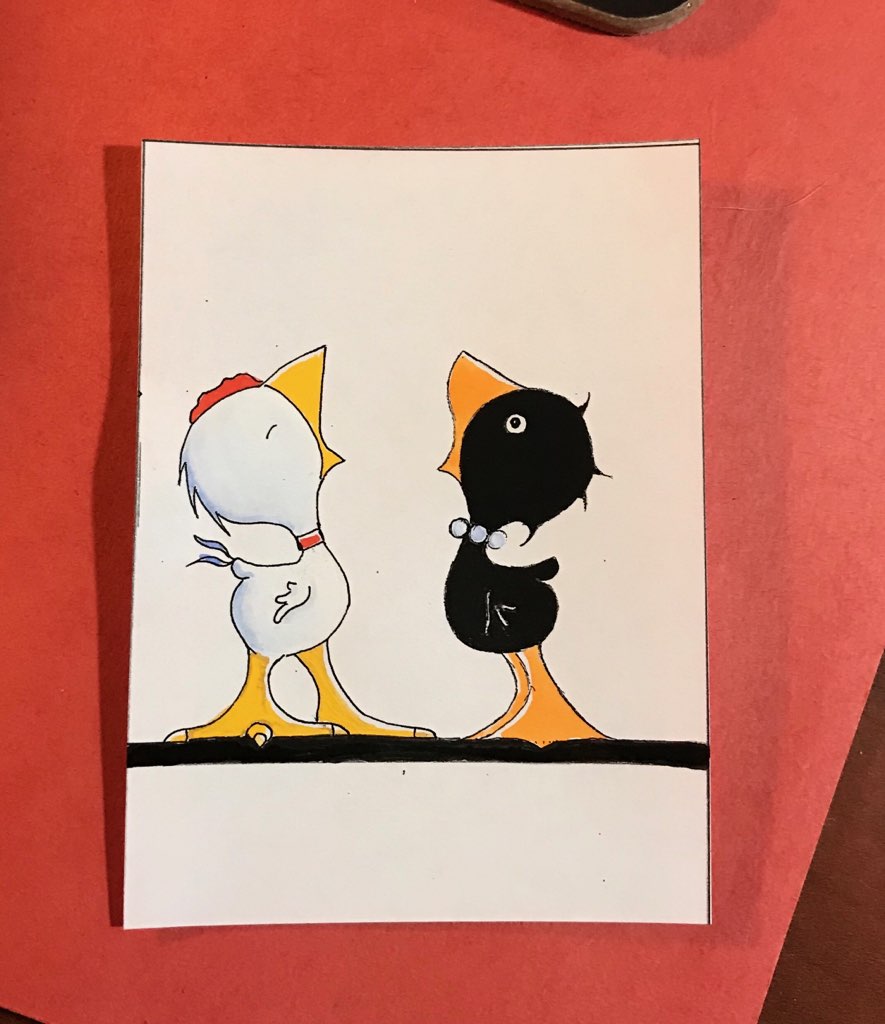
I did write a new book for the Gossie & Friends series about a week ago and my editor has signed it up. The new book is titled PEARL & ROO

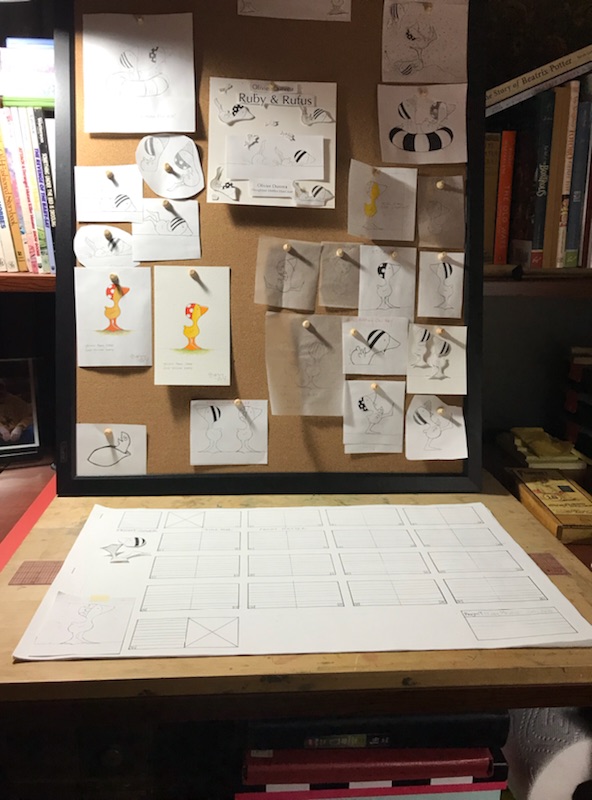
Ruby & Rufus Production Board.

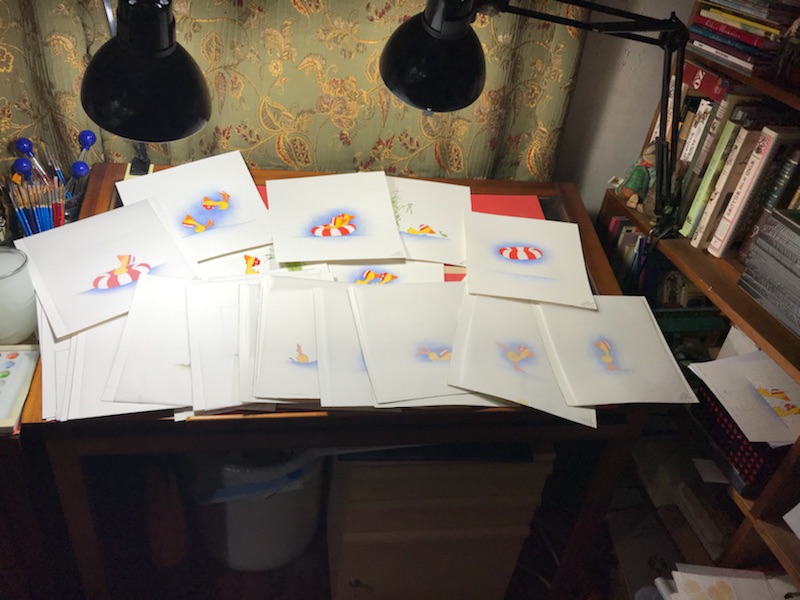
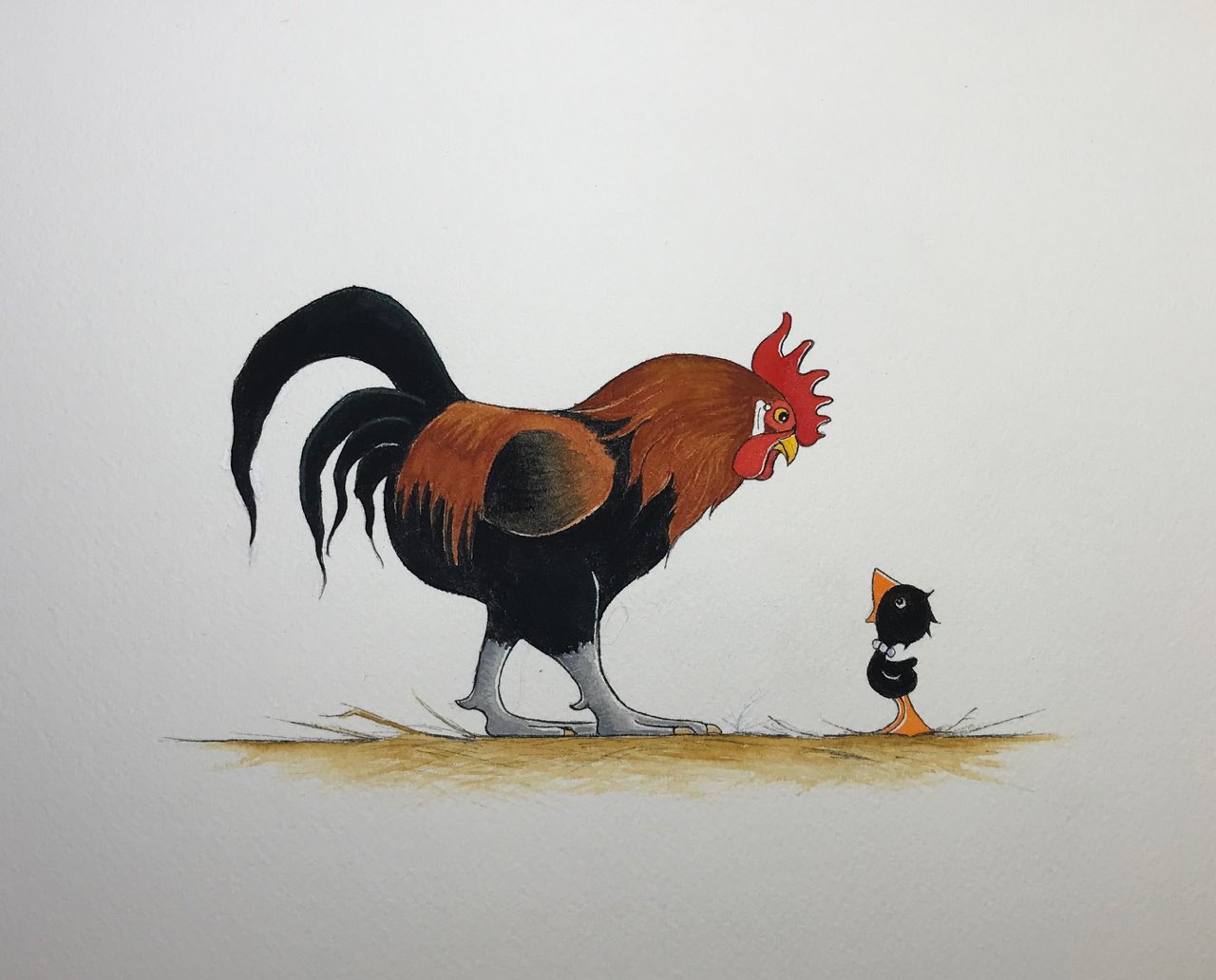
The finished art.

How a book starts…

Making progress.

Finished piece of art.


And here is Pearl & Roo!

How Research Begins…

Standard

RESEARCH UPDATE: Words. Whenever I come across an interesting word, or a word that I have never encountered before, naturally I want to remember it or them.
When I first read the historical novel, THE CAMERONS, set in Scotland in the 17th or 18th century, I came across a word that I absolutely fell in love with, and, it in turn changed the course of my entire life.
The word was “moudiewart”—the archaic Scottish word for ‘mole’. To paraphrase how it was used in the novel, a young Highland woman is taking her Lowland lover to meet her family for the first time. She describes them as “Och, they’re naught but moudiewarts scrabbling underground.” Or, something to that effect. Her family were miners.
Naturally, the first thing I do when I come across a new word is to 1) make a notation and 2) look it up in the OED for more clarification.
I discovered that moudiewart wasn’t the oldest form of this fascinating word used to describe moles. The most archaic is “moldo warpo”—literally “earth thrower”. There are many variations of moudiewart: mowldiwart, mowldiwarpe, moldywarp, mowdiewart, etc. Each word sang to my heart and became the foundation for an entire mythology.
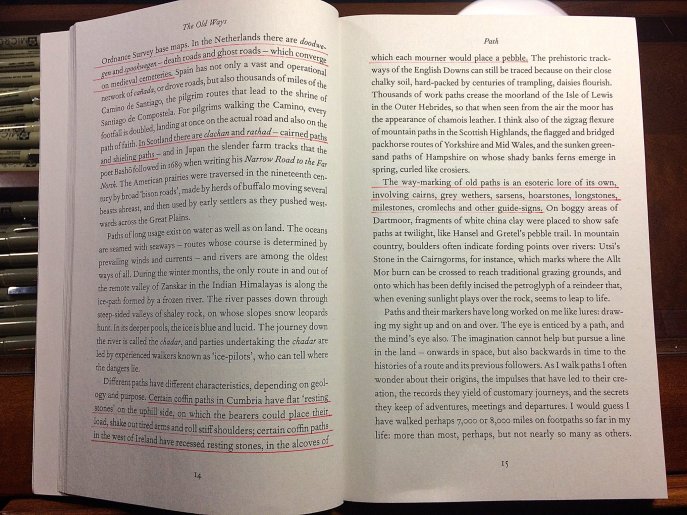
But, to get back to my original post about words. I have to share with you a few new words (and some already familiar to me) that I came across in THE OLD WAYS. Just from reading these words your imagination will flare and be fired up. And you easily see why they are now an integral part of my literary life.
1. Trods & holloways
2. The Doorway & meteor showers
3. Humans are animals and like all animals we leave tracks as we walk: signs of passage made in snow, sand, mud, grass, dew, earth, or moss. The language of hunting has a luminous word for such mark-making: “foil”. A creature’s ‘foil’ is its track.
4. Green roads, drove roads, corpse roads, trods, lets, dykes, drones, warns, snickets—say the names out loud and at speed and they become a poem or rite — holloways, bostles, shutes, driftways, lichways, ridings, halterpaths, cartways, carneys, causeways, herepaths.
5. Many regions still have their old ways, connecting place to place…
6. In the Netherlands there are ‘doodwegen’ and ‘spookwegen’ — death roads and ghost roads—which converge on medieval cemeteries.
7. Certain coffin paths in Cumbria have flat ‘resting stones’ on the uphill side, on which the bearers cold place their load, shake out tired arms and roll stiff shoulders; certain coffin paths in the west of Ireland have recessed resting stones, in the alcoves of which each mourner would place a pebble.
8. The way-marking of old paths is an esoteric lore of its own, involving cairns, grey wethers, sarsens, hoarstones, longstones, milestones, cromlechs and other guide-signs.
9. Paths are the habits of a landscape. They are acts of consensual making. It’s hard to create a footpath on your own.
10. Like sea channels that require regular dredging to stay open, paths need ‘walking’.
This will give you a taste as to how I take notes, what catches my eye and inspires a creative thought, and which words and ideas I take to my heart.
This is how I read: Carefully underlining and making notes in my notebook!

16463696_10211277777357533_2274104648760316959_o.jpg

When is art real?

Standard

Today I posted this on my FaceBook page:

14692166_10210207881290800_2228687636694054393_o

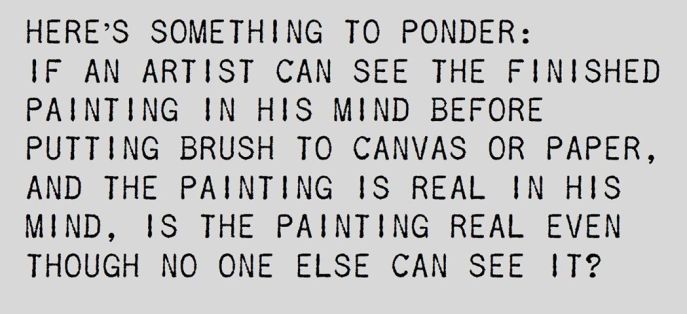
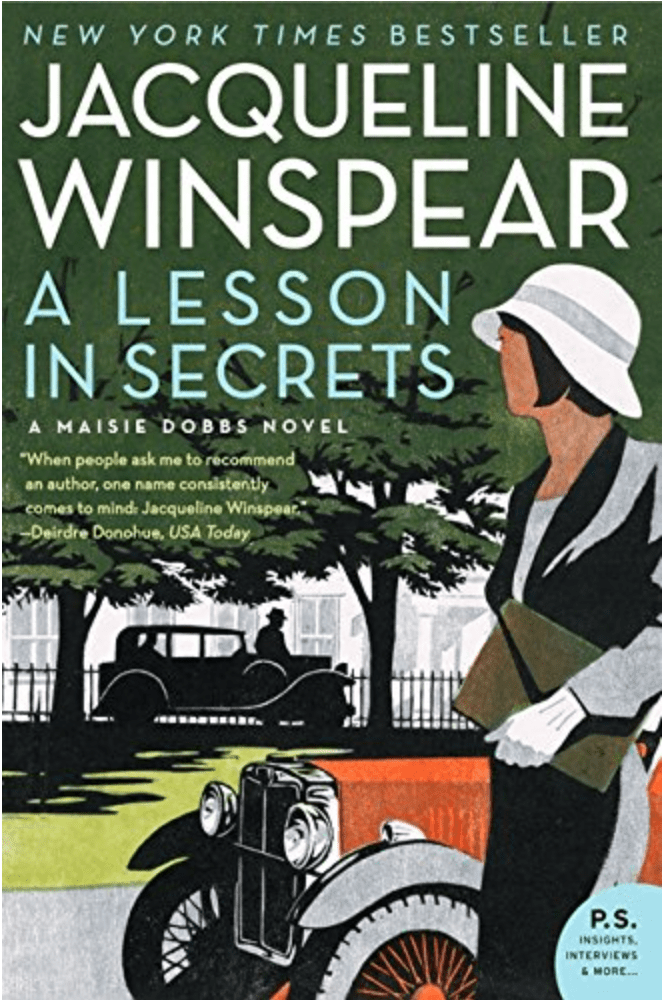
I’m reading Jacqueline Winspear’s “Maisie Dobbs” books and this question was put to Maisie Dobbs in the current book I’m reading:

eight

The above quotation is my paraphrasing of a question put to Maisie Dobbs in an interview. I like to ponder the imponderable questions in life.  Especially when the question strikes close to home in my own creative life and struggles.

As an illustrator, editors, art directors, and book designers like to see what an illustration or entire book will look like before the finished art is completed.  This is always a peril for me because once I have worked out the composition for an illustration, and can see exactly how it will look as a finished piece (in my mind), the illustration is finished.  I pretty much lose interest in the picture but still have to do the finished hands on work to create the finished illustration that will appear in a book.

So, when I came across the question as to “When is art real?” it gave me pause to understand why I struggle so much in finishing the art for a book.  In my mind once I know what it’s going to look like it’s finished.